
Why It Matters
The Point at Topsail Island, now called the South Topsail Preserved has been conserved forever, thanks to the NC Coastal Land Trust and our community which fought hard to save this special place from development. The south end of Topsail Beach is more than just a scenic destination—it’s a vital natural area that plays a key role in supporting coastal biodiversity, protecting the shoreline, and connecting people with the rhythms of the natural world. This blog explores the ecological significance of The Point and the ongoing efforts to conserve this rare and dynamic barrier island habitat.
A Natural Haven
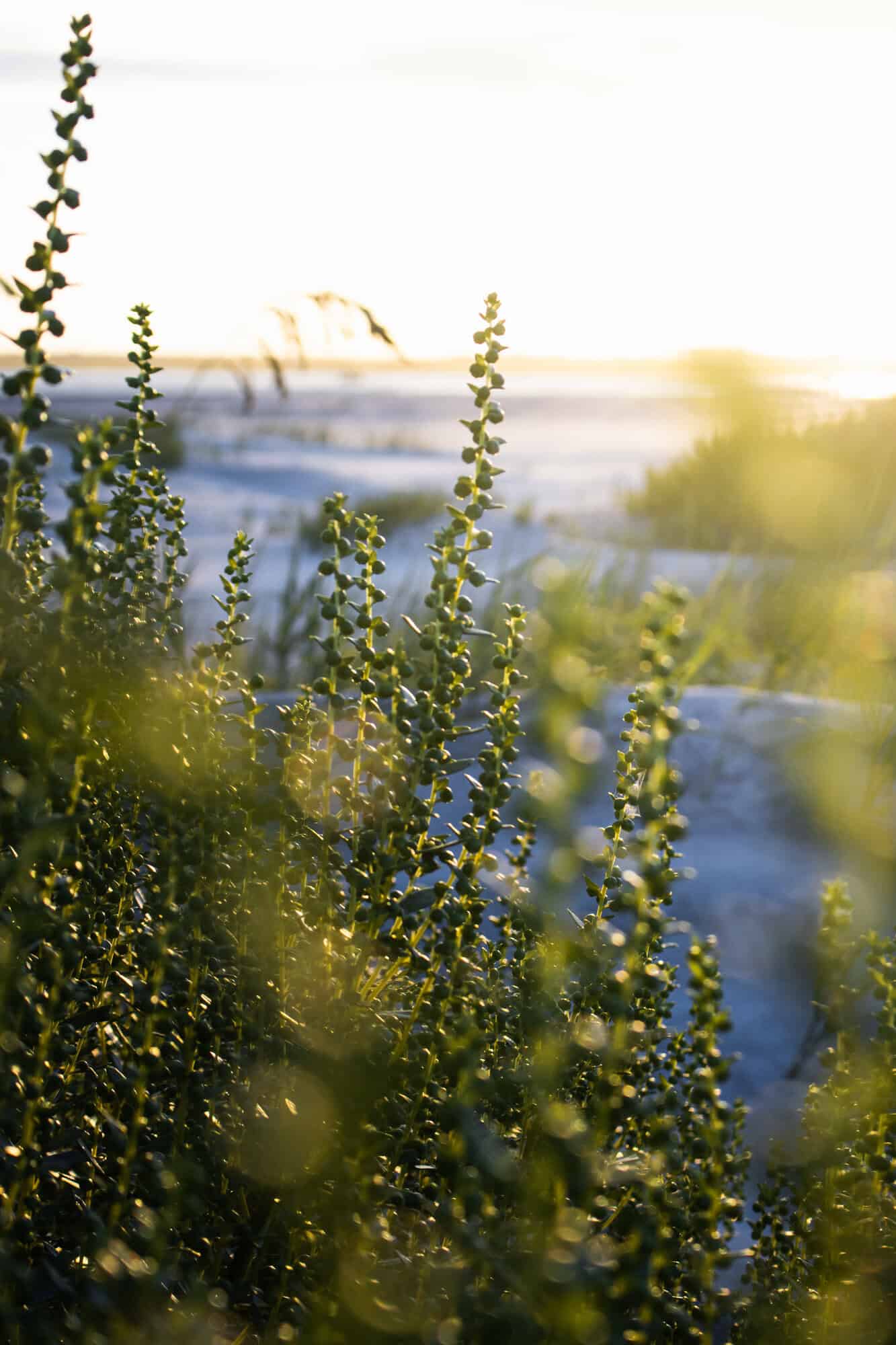
The Point is located at the southern tip of Topsail Island in southeastern North Carolina. It is a dynamic, ever-changing landscape of dunes, maritime forests, tidal flats, salt marshes, and estuarine waters. Its constantly shifting sands are shaped by wind, waves, and tides. This natural movement creates a rich mosaic of habitats that support an abundance of plant and animal life, some of which are threatened or endangered.
A Critical Coastal Ecosystem
The Point plays a vital role in the larger coastal ecosystem. Its marshes and mudflats serve as nurseries for fish and shellfish, including economically important species like flounder and blue crab. The beaches, tidal creeks, and marshes are also nesting, migration and wintering grounds for shorebirds, marsh birds, and other waterfowl, such as Eastern Willet, Piping Plover, Least Tern, American Oystercatcher, and Black Skimmer. The dunes and sandy beaches are nesting sites for primarily Loggerheads Sea Turtles but other species like Green, Kemp’s Ridley and Leatherback Sea Turtles may also be found.
“The Point is a living laboratory of coastal resilience,” says Ryke Longest, an environmental law expert and coastal conservation advocate. “It absorbs storm surge, filters water, supports biodiversity, and offers a natural buffer against erosion.”
Geologic and Historic Significance
The Point represents a classic example of a barrier island spit formation. It is constantly being reshaped by longshore drift and inlet migration. Historically, it has been largely undisturbed by development, giving scientists and the public a rare glimpse into what a wild and natural coastline looks like.
In the 1980s, as Topsail Beach began to attract more development, The Point remained undeveloped and became a cherished destination for walking, fishing, birdwatching, and quiet reflection. Over time, visitors and homeowners came to associate “Serenity Point” with the broader landscape where the dunes, salt marshes and tidal flats remained untouched and undeveloped. The name evoked the tranquil experience of walking the endless miles of sandy beaches and viewing its beautiful sunsets.
A Place of Reflection and Connection
For many residents and visitors, The Point is more than a landscape—it’s a deeply emotional and spiritual place. Generations of families have explored its tidal pools, cast lines into its surf, and watched sunsets fade behind its dunes. It’s a place to connect with nature and with each other.
“The Point is a place where people are reminded of what wild nature really looks like,” said Janice Allen, a coastal ecologist and former Director of Land Protection with the NC Coastal Land Trust. “It’s where the natural world still moves according to its own rhythms. That’s a rare thing these days.”
The Role of Conservation
Preserving The Point through permanent conservation ensures the continued protection of this fragile and irreplaceable ecosystem. As climate change accelerates sea-level rise and intensifies storms, undeveloped barrier island environments like The Point become even more critical. They provide space for coastal habitats to migrate inland and adapt.
Orrin Pilkey, Duke University geologist and national expert on barrier islands, has long warned about the dangers of overdevelopment in dynamic coastal zones. “The best use of The Point is to leave it alone,” he said. “It’s doing exactly what it needs to do—change. And in that change, it protects the mainland and supports life.”
What You Can Do to Help
– Support conservation initiatives like Conserve The Point, NC Coastal Land Trust and other coastal conservation groups.
-Practice Leave No Trace when visiting The Point. Remain at a distance from nesting shorebirds, sea turtles and hatchlings, and marine wildlife. Fill in any holes in the sand and knock down sand sculptures at day’s end to remove obstacles blocking sea turtles’ nesting activities. Properly dispose of trash and discarded fishing gear. And please stay off the dunes and keep dogs on a leash.
– Become a South Topsail Preserve steward and help protect the Preserve through educational walks and talks, monitoring bird nesting areas, joining a beach clean up day and more. Contact Topsail@CoastalLandTrust.org for more information.
– Volunteer with local organizations conducting sea turtle monitoring, bird surveys, or beach clean-ups.
– Share the story of The Point with others to build awareness of its ecological and cultural value.
By valuing The Point not just as real estate, but as a rare and living ecosystem, we ensure that future generations can experience the wonder of a wild shoreline. Nature needs places like this—and so do we.
South Topsail Stewards posting bird nesting area signs


