
Why Bird Nesting Areas at Topsail Nature Preserve Matter
“With more and more people living and recreating on the coast, building awareness of how wildlife depends on coastal habitats, including barrier island beaches, is critical in conserving these natural resources. Community groups and volunteers are perfectly situated to build public support for birds, especially nesting birds, because residents and visitors alike see that the locals support them and feel encouraged to do the same. By giving birds space on the beach anyone can easily make a positive difference.”
Lindsay Addison, Coastal Biologist, NC Audubon
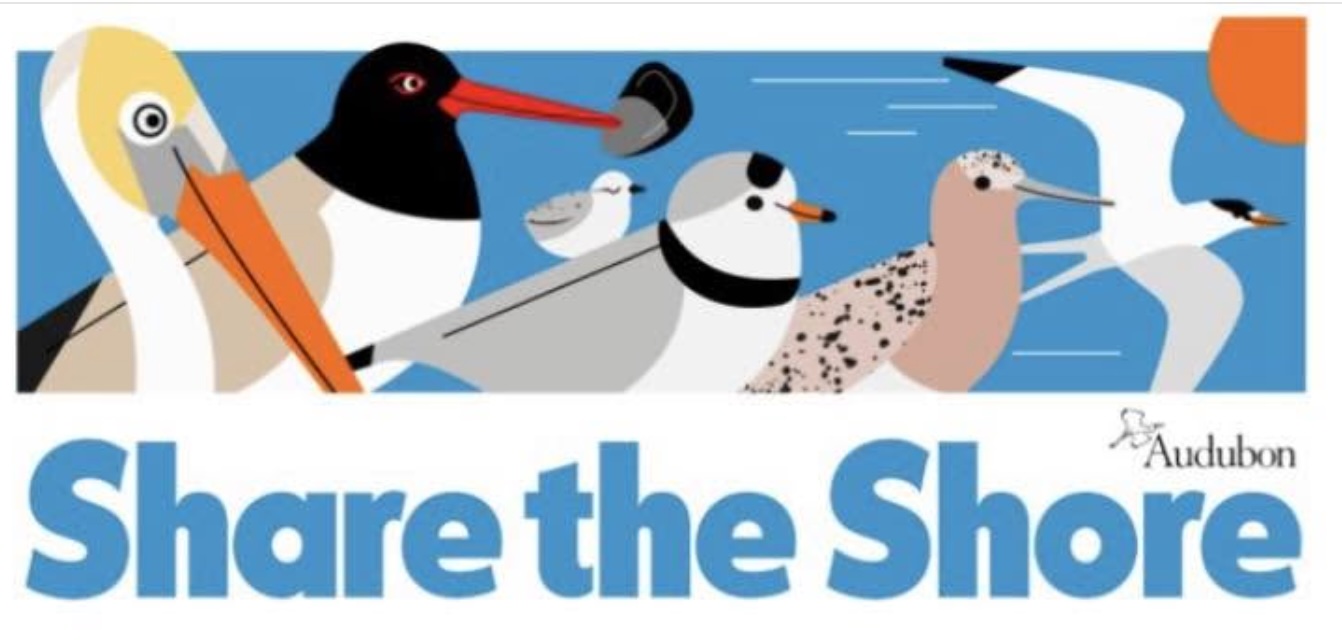
Learn more about Audubon’s Share The Shore initiative and enjoy this video.
__________________________________________________________________________________________________________________________________________
Topsail’s Bird Nursery
Each spring and summer, the beaches and dunes of Topsail Nature Preserve, the south end of Topsail Island, become much more than a beautiful coastal destination — they become a nursery for some of North Carolina’s most vulnerable coastal birds.
The sandy shoreline, open flats, and dunes at the southern end of Topsail Beach provide critical habitat for nesting, resting, and foraging shorebirds and seabirds. Species such as Piping Plovers, Least Terns, Black Skimmers, American Oystercatchers, Wilson’s Plovers, and other migratory birds depend on undisturbed coastal habitat to successfully raise their young.
Bird nesting season at Topsail Nature Preserve generally extends from early spring through late summer, with the most sensitive nesting and chick-rearing period occurring from approximately April through August. During this time, even small disturbances can impact nesting success.
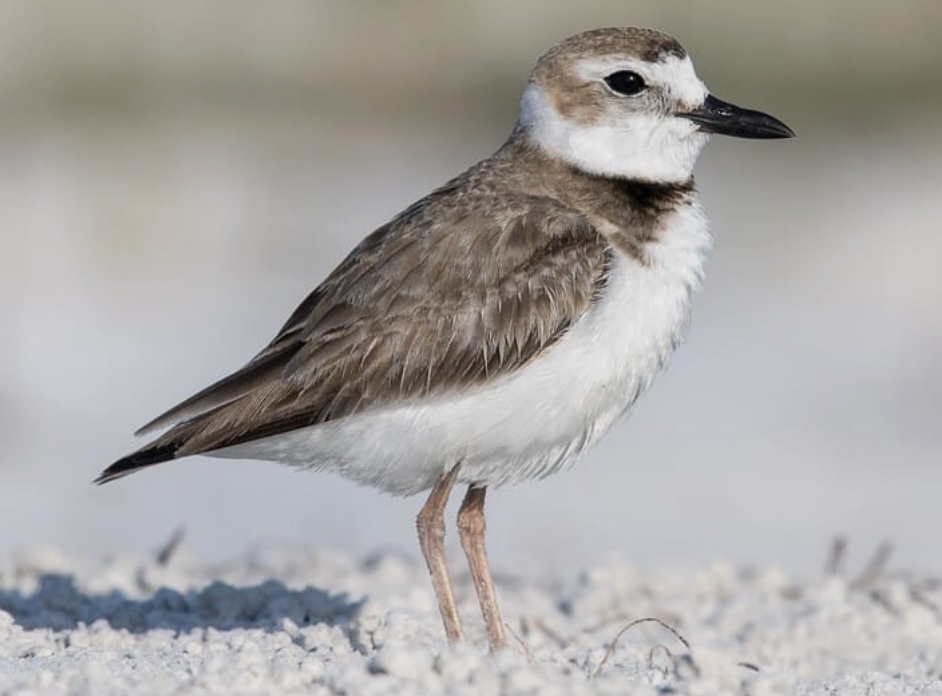
These birds have evolved to nest directly on the sand, often in shallow scrapes that are remarkably difficult to see. While this strategy has helped them survive for thousands of years, it also makes them especially vulnerable to modern pressures including trampling from increased beach recreation, unleashed dogs, litter, and habitat loss.
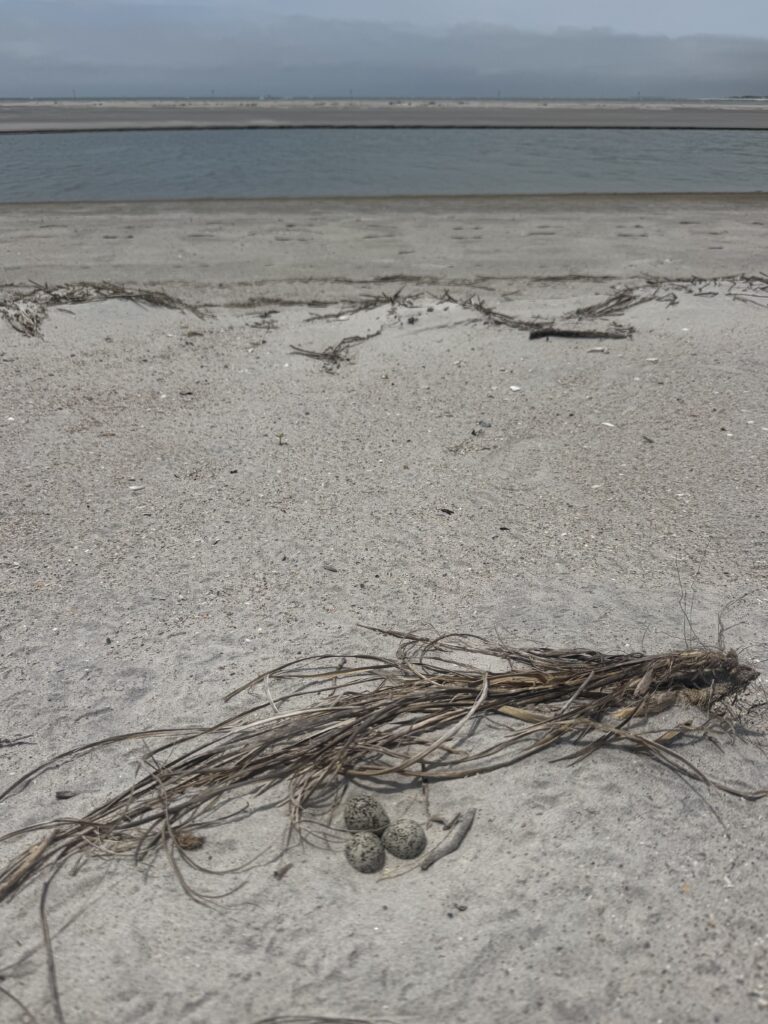
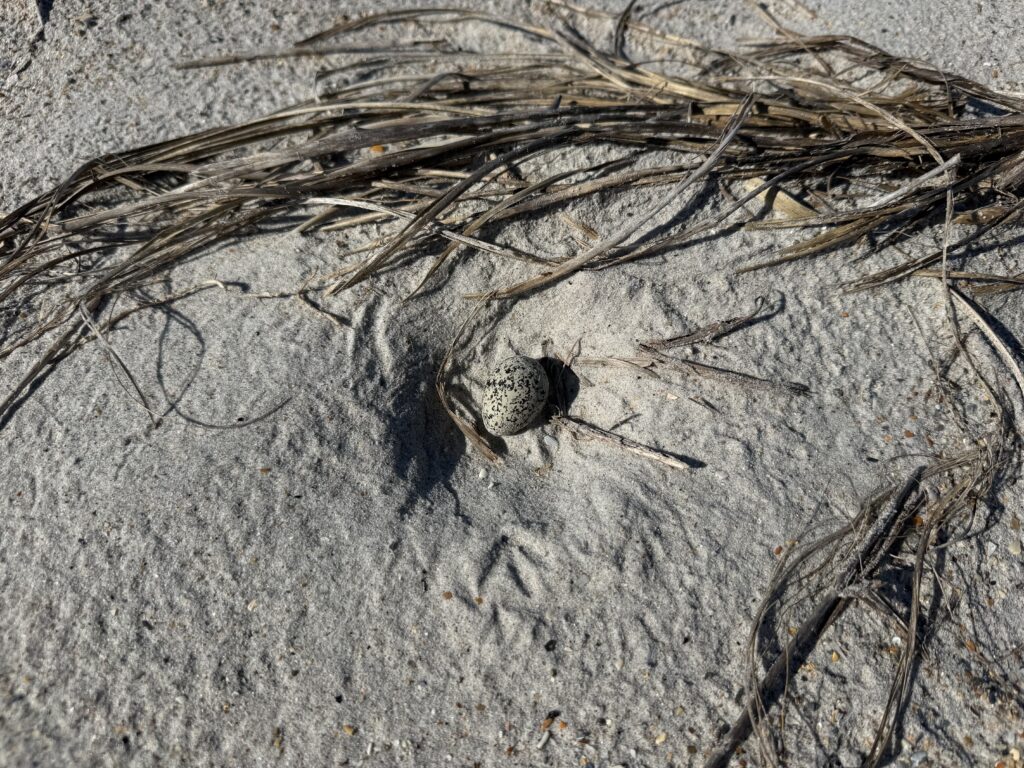
Wilson’s Plover nest at Topsail Nature Preserve, photo by Ashyln Newberry, Audubon
A Special Place on the North Carolina Coast
Topsail Nature Preserve is one of the few remaining undeveloped stretches of barrier island habitat in southeastern North Carolina. The preserve’s natural shoreline, dynamic inlet systems, dunes, and tidal areas provide the exact conditions many coastal birds need to survive.
Across North Carolina, Audubon and conservation partners manage and monitor important coastal sanctuaries that protect thousands of nesting birds each year. In April 2026, Conserve The Point volunteers joined with Audubon to establish a protected bird nesting area at the south end of Topsail Island. The area is roped off with signs and string to encourage people and dogs to stay out of this area during nesting season.
These seasonal nesting signs and symbolic fencing are intended to educate beachgoers and prevent accidental disturbance — not to keep people from enjoying the beach. Because many shorebird nests are nearly invisible in the sand, temporary protected areas help visitors recognize sensitive habitat during nesting season while still allowing people to responsibly share the shore.
Similar efforts at the south end of Wrightsville Beach and on Lea-Hutaff Island have demonstrated how protected nesting areas and public education can help coastal birds successfully nest alongside people enjoying the beach. Amazingly, there are 1,146 pairs of Least Terns nesting on nearby Lea-Hutaff Island this year, which is about one third of North Carolina’s entire population and a new high count for the island.
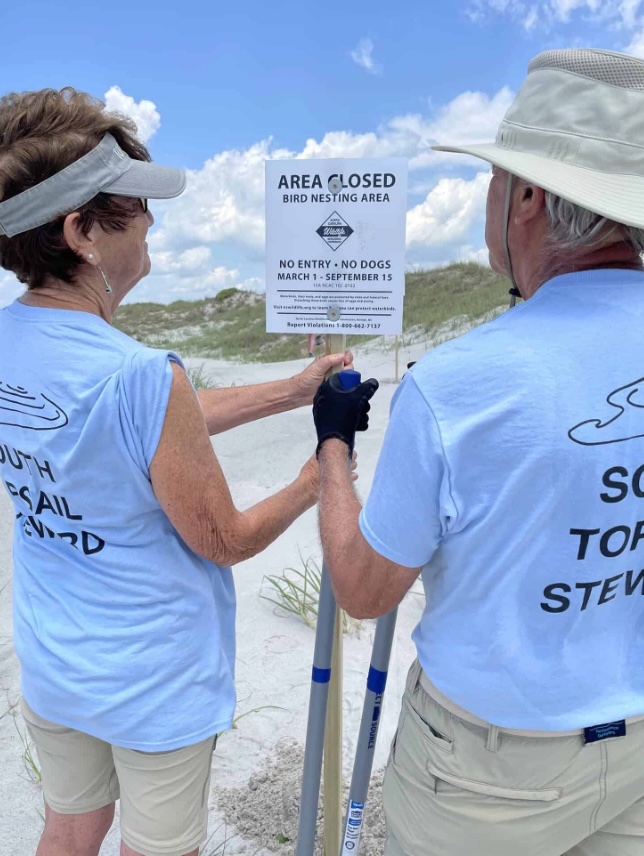
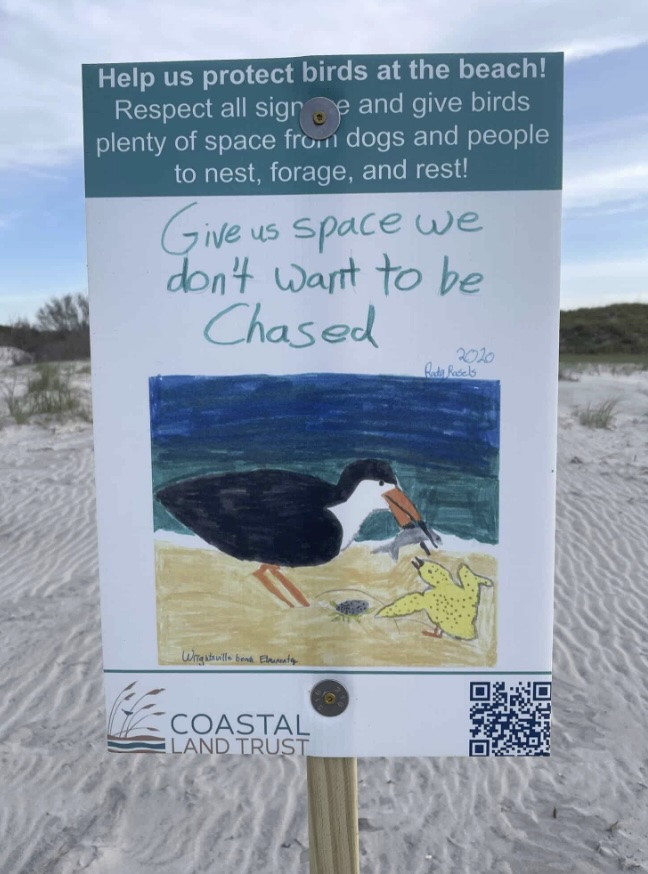

South Topsail Stewards posting bird signs with NC Audubon on Topsail Nature Preserve
How Visitors Can Help
- Share the Shore
If you see posted nesting areas or symbolic fencing, please respect the boundaries and observe birds from a distance. - Keep Dogs Leashed
Even friendly dogs are perceived as predators by nesting birds. Dogs running through nesting habitat can unintentionally crush eggs or scatter chicks. - Leave No Trace
Pack out trash, avoid disturbing wildlife, stay off dunes, and leave natural areas as you found them. Trash and leftover food attract predators such as gulls, raccoons, and foxes that prey on eggs and chicks. - Give Birds Space
If a bird is calling loudly, diving, or acting injured near you, it may be trying to lead you away from a nest or chicks. Slowly move away and give the area additional space. - Watch Where You Walk
Many nests and chicks are perfectly camouflaged against the sand. Staying alert can help avoid accidental disturbance.
Conservation Through Community
Protecting coastal birds is truly a community effort. Conservation organizations, volunteers, local governments, and residents all play an important role in helping these species survive.
These collaborative efforts help ensure that Topsail Beach remains both a welcoming destination for visitors and a safe haven for wildlife. Together, we can help keep Topsail Nature Preserve a safe place for birds to nest, forage, rest, and thrive.
Learn More
• Audubon North Carolina: https://nc.audubon.org
• Audubon NC Coastal Birds Program: https://nc.audubon.org/conservation/coastal-birds
• Audubon NC Sharing the Shore Program: https://nc.audubon.org/news/headed-beach-help-imperiled-coastal-birds-sharing-shore
• NC Wildlife Resources Commission – Beach-Nesting Birds: https://www.ncwildlife.org/learning/species/birds/beach-nesting-birds